

One of the many wonderful things about the Tour du Mont Blanc is the diversity of hikers you’ll meet along the trail. Each year, many thousands of people complete all or part of this iconic trek, representing a wide range of age groups, countries, and experience levels. Although it’s a serious undertaking, the TMB is a pretty accessible adventure as far as long-distance hiking trails go.
As you plan your TMB trek, perhaps you’re wondering if you are physically, mentally, and/or logistically prepared. Alternatively, you may just want to know a bit more about what to expect while on the trail. Either way, we’ve got you covered. In this post, we’ll discuss the different challenges that come with completing the Tour du Mont Blanc so you can hit the trail with confidence.
The TMB Trek Planner brings your route, accommodation availability, and itinerary together in one place so you can plan with confidence.
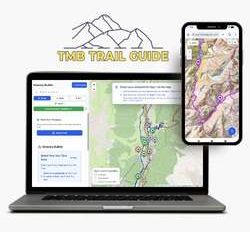
Build & plan a route that works for you!
See accommodation availability in one place
Adjust your itinerary as plans change
Designed around real TMB hut booking and itinerary challenges

Physical Challenges
One of the more challenging aspects of the TMB is the steepness of the ascents and descents that you’ll face each day. The climbs can be very long and tiring, and the downhills can be hard on knees, hips, and backs. All of this fatigue can be compounded when you string together several big days of walking in a row. Trekking poles can make a huge difference in terms of reducing the strain on your joints and making steep sections feel more manageable. We highly recommend bringing them!
Those completing a standard 10 or 11 day itinerary can expect to climb up and over a major mountain pass each day, averaging roughly 3,000 feet (900 meters) of elevation gain and loss and 6-7 hours of hiking. If you’ve planned to cover the route in less time, you can expect even bigger days.
The best way to prepare for a TMB trek? Spend lots of time on your feet hiking up and down big hills! Although the TMB is a serious physical challenge, it is definitely doable for most reasonably fit hikers.
The TMB by the Numbers
Distance: 170 kilometers
Elevation Gain/Loss: 10,200 meters
Days to Hike: Typically 8-12 days
Cols to Cross: 11

Get Your FREE Tour du Mont Blanc Essentials Guide

Sign-up to get your FREE TMB Essentials guide below. Find intel on when to hike, basics about the trail, and a printable packing list
Weather
While the Tour du Mont Blanc generally enjoys terrific weather in the summer months, there are definitely potential challenges that come with spending an extended time in the mountains and their quickly-changing conditions. Significant heat, pouring rain, snow, and/or thunderstorms are all very possible at any point during the hiking season. Afternoon thunderstorms are most common in July and August, so it’s a good idea to get an early start in order to be off the higher, more exposed sections of the trail before storms are likely to roll in. Rain and clouds can also reduce visibility, so be sure to dress in layers and carry a good map!
In terms of trail conditions, the weather before your trek can be as impactful as what you experience while actually hiking. This is especially true when it comes to snow. If you plan to hike anytime before mid-July, you can expect to face the additional challenges that come with snow-covered trails. Not only can snow slow your hiking pace considerably, but it can also present real hazards if you don’t have the right equipment and experience. If you’re worried about snow, book your trip for later in the season or plan to utilize detours to avoid sketchy sections.

Navigating the Trail
For the most part, the TMB is a very well-marked and non-technical trail. Much of the trail consists of smooth (if a bit loose) dirt paths with trail signage placed at frequent intervals. There are a few rocky climbs and exposed sections to traverse, and you’ll encounter scree and boulders on some of the variant routes. There is also a short and not-too-difficult section of ladders and catwalks, but this can be avoided via an alternate route if you prefer.
Although the TMB is generally easy to follow, there are plenty of confusing junctions, braided trails, and tricky-to-navigate sections.
Therefore, it is essential to bring a map and/or other navigational device. We prefer to download the route to a navigation app on our phones, as we find this to be the most convenient and reliable way to navigate on the trail. The best way (in our opinion) to do this is to create a custom GPS file that is specific to your itinerary, which can be easily done in our TMB Trek Planner.


Logistics
It’s possible to hike the TMB independently or through a trekking company, and both options have their advantages. Perhaps one of the more challenging aspects of preparing for an independent TMB trek is securing accommodations bookings for your preferred itinerary. Many accommodations get fully booked 6-9 months before the hiking season, so you’ll need to plan ahead and check the frequently for when reservations open up.
These potential headaches can be eliminated by booking through a trekking company or by camping along the route. Camping comes with some of its own challenges, as camping is not permitted everywhere along the route and you’ll need to carry a heavier pack. However it can be a great option for those seeking a bit more spontaneity and flexibility in their itinerary.
Beyond securing accommodation, the Tour du Mont Blanc is a pretty easy hike when it comes to logistics. Food and water are plentiful along the route, so there’s no need to carry or send ahead a bunch of supplies. There are also many handy transit connections in the region, making it simple to get to and from the trail at various points along the circuit.

Making the TMB More Approachable
If reading about the challenges in the previous sections has left you feeling daunted, you can relax a bit knowing that there are tons of ways to make the TMB a bit easier. During the peak hiking season (July and August), buses and cable cars offer lots of options for shortcutting longer days or skipping entire sections. Another way to make the trek more manageable is to use a baggage transfer service so you can carry a lighter pack on the trail. Booking your trip through a trekking company can eliminate many of the logistical challenges, and hiking with a guide can provide an extra layer of safety and support. And we’ll say it one more time: bring your trekking poles to make steep sections a little easier!
Key Takeaways
The TMB involves lots of climbing but isn’t too technical
Weather and snow can add to the challenge of the trek
Logistics for the TMB are fairly simple
There are many ways to make the TMB less challenging
Conclusion
So is the Tour du Mont Blanc right for you? We truly believe that with the right preparation and a thoughtful (and realistic!) itinerary, nearly anyone can hike the TMB. Each year, thousands of people successfully complete the circuit, including families with young children, hikers over the age of 60, and solo travelers. There are so many ways customize your trekking experience to suit your needs, and you might find that a Tour du Mont Blanc adventure is more in reach than you originally thought. So do your homework, get some training hikes on the calendar, and then hit the trail!
As you continue to plan your TMB adventure, we recommend checking out these helpful resources:
Tour du Mont Blanc Refuge Guide↗
Familiarize yourself with the mountain huts along the TMB.
Learn when to make bookings, what to expect, and more!
Stages of the TMB↗
Read a detailed description of each of the traditional 11 stages of the TMB.
Get essential information so you know what to expect each day on the trail.
Tour du Mont Blanc Gear List↗
Make sure you have everything you need to be safe and comfortable on your trek!
Get insider tips about what’s important to pack and what to leave behind.
