

The Tour du Mont Blanc is as rewarding as it is demanding, and a little planning can go a long way in keeping you safe and making your journey unforgettable. In this post, we’ll cover 10 essential safety tips, from navigating changing trail conditions and unpredictable weather to packing the right gear and staying prepared for emergencies. Whether you’re traveling solo or with a group, these tips will help you trek smarter, safer, and with confidence. Let’s dive in!
Get Your FREE Tour du Mont Blanc Essentials Guide

Sign-up to get your FREE TMB Essentials guide below. Find intel on when to hike, basics about the trail, and a printable packing list
1. Know the Trail Conditions
For the most part, the Tour du Mont Blanc follows good, non-technical, walkable paths. There are a few sections that are more exposed with steep drop-offs to one side, but these are fairly minimal. You’ll also encounter a few short sections with scree and boulders where extra care should be taken to avoid twisting an ankle. Finally, hikers will want to be prepared to tackle a series of ladders on the stage between Tré le Champ and La Flégère.
In good conditions, everything described above is quite manageable and shouldn’t pose any real hazards. However, in the event of poor weather and/or snow-covered trails, these factors can become much more dangerous. If hiking in the early season (anytime before mid-July), it is important to bring micro-spikes or crampons and be experienced in using them. If you’re uncomfortable about the idea of crossing some of the more sketchy snow-covered sections, consider skipping a stage or taking an alternate route.
The same goes for the ladders and the trail in general. The ladders can become slippery when wet, but it’s possible to take the Col de Montets variant route to avoid these. Be sure to check the weather conditions before setting out and air on the side of caution.

2. Take the Weather Seriously
The Alps are magnificent mountains, but they can throw some harsh weather at unsuspecting hikers any time of the year. Extreme heat, thunderstorms, snow, rain, or high winds can all create hazardous conditions on the trail. Here are a few ways to stay safe in mountain weather:
- Check the forecast each day before setting out. We recommend MeteoBlue for detailed and accurate forecasts. The guardians at the mountain refuges are also great resources for weather information.
- Always carry the right gear to be prepared for any and all conditions. This includes multiple layers, sun protection, and a waterproof jacket and pack cover.
- Start hiking early in the day to be off the high passes before afternoon thunderstorms roll in.
- Stay away from high and exposed areas during inclement weather, if possible.

3. Pack the Right Gear
As mentioned in the previous section, it’s important to pack an assortment of clothing that will prepare you for any weather conditions you might encounter on the trail. In addition to smart clothing choices, there are a few other items that will help you stay safe on the trail. These include:
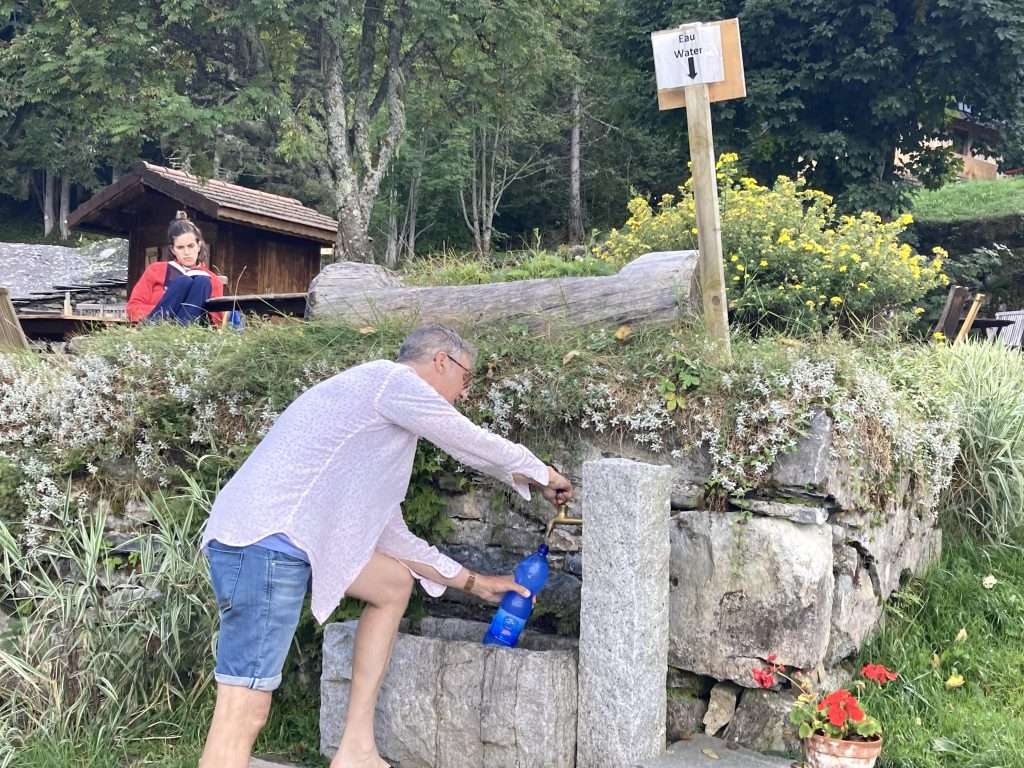
- Hydration bladders and/or water bottles (we recommend at least two liters)
- A lightweight water filter
- Trekking poles
- A first aid kit (with blister bandages)
- A headlamp/torch
- Cramp-ons or micro-spikes (if hiking in the early season)
- A map and/or navigation device or app
- A backup meal and snacks
There’s a good chance you might not use some of these items, but they are still worth the small amount of space they’ll take up in your pack. You will be glad to have them if you do end up needing them!
4. Bring a Map
This is an essential part of wilderness preparedness- always bring a map! While it’s true that the TMB is a heavily trafficked and well marked trail, there are still plenty of situations in which you might find yourself in need of some navigational help. Poor weather conditions, fading daylight, or snow on the trail are just a few of the many things that can lead you off-course, resulting in a scenario that ranges from inconvenient to downright unsafe.
It’s a good idea to pack a paper map as a backup, but we highly recommend using a navigation app on your phone, watch, or other device as your primary route-finding tool.

5. Have a Resupply Plan
Given the fact that food, water, transportation, and other services are plentiful along the Tour du Mont Blanc route, many hikers assume they don’t need to plan ahead for their resupply needs. However, there are several remote sections of the trail in which food and water are not available. It’s important to make note of how far it is to the next supply point and carry some extra provisions as a backup.
In terms of water, keep in mind that some streams and other natural sources may be dry later in the season. If you plan to drink from natural sources, be sure to use a lightweight water filter to reduce the risk of illness. We recommend carrying at least 1.5 liters of water with you at the start of each day to ensure you have enough even if any unforeseen variables come your way.
6. Know What to Do in an Emergency
Most of us don’t like to think about worst-case scenarios, but it’s important to equip yourself with some basic knowledge in the unlikely event that you find yourself in an emergency situation on the trail. A little bit of preparation will help you respond to emergencies as safely, efficiently, and calmly as possible. Here are a few things to keep in mind:
- Know the emergency numbers for each country:
- Italy 112
- France 112
- Switzerland 144
- Pay attention to your location so you can relay this information to emergency responders
- In the event of an accident, stay near the injured person and do your best to protect them from the elements
- When in doubt, call for help
You can learn more about mountain safety and emergencies on the TMB here.
7. Learn Some Basic First Aid
It’s a good idea to learn some basic first aid skills before spending time in the mountains. From blisters to dehydration, sprained ankles to puncture wounds, you never know what you or your fellow hikers might encounter on the trail. Fortunately, you don’t need to be a professional first responder to handle many of the minor medical issues that commonly plague hikers; even some quick training in first aid basics can go a long way. Consider taking a course online or in your local area, or at the very least do a bit of reading before you hit the trail.
Additionally, don’t forget to carry a well-stocked first aid kit with you at all times!
8. Prepare Your Body for the TMB
Trekking the Tour du Mont Blanc is a physically demanding endeavor, one that you’ll definitely want to train for in advance. Getting in good hiking shape will not only make your experience much more enjoyable, but keep you safer as well. If your body isn’t prepared for the challenge, your risks of injury, dehydration, and long days on the trail will be significantly higher.
The good news is that you don’t need any special equipment or coaching- simply building your basic strength and aerobic endurance will make a big difference. This could involve leg-strengthening exercises like lunges and squats, as well as regular cardio exercise like walking, jogging, cycling, and of course hiking! Anything you can do to prepare your body for back-to-back long days of moving up and down steep trails will keep you happier and safer on your TMB trek.

9. Be a Smart Solo Traveler
The Tour du Mont Blanc is a great adventure for solo travelers, including solo female travelers. It passes through areas that are generally very safe and quiet, and there are plenty of other hikers nearby at any given time. That being said, whenever you’re hiking and traveling on your own, there are a few additional things to keep in mind:
- Consider checking in with someone back home on a daily basis to let them know you’re okay.
- Consider carrying a satellite phone or beacon.
- Keep your valuables with you or secured at all times.
- If you feel unsafe hiking in certain weather conditions or on technical sections alone, ask to join a group of other hikers.
- If someone makes you feel uncomfortable at a mountain refuge, let the guardian know right away.
- Don’t wander off the trail or hike in the dark (this is true for everyone!)
10. Consider Purchasing Travel Insurance
Is travel insurance absolutely necessary for trekking the Tour du Mont Blanc? Not entirely. But is it recommended for most hikers? Definitely! You can typically find plans at very reasonable rates that can provide good coverage for a variety of potential issues that may arise on your trip.
Travel insurance usually covers issues like lost baggage and travel delays, cancellations due to illness or other major life events, and medical evacuations. From a safety and financial standpoint, evacuation coverage is arguably the most important reason to purchase travel insurance. In the event of serious illness or injury, you may need a helicopter to transport you from a remote section of the TMB to medical aid in a fast and efficient way. As you might imagine, this can become very expensive very quickly if you’re not insured. Travel insurance can provide valuable coverage and some much-appreciated peace of mind so you can focus on the more fun parts of your adventure!
Key Takeaways
- Respect the mountains and the distance. Stay informed of the trail conditions and the weather forecast.
- Prepare physically and mentally. Get in shape for long days on the trail and know what to do in an emergency.
- Gear up. Make sure you have the essential equipment, know where your next food and water stops will be, and consider purchasing travel insurance.
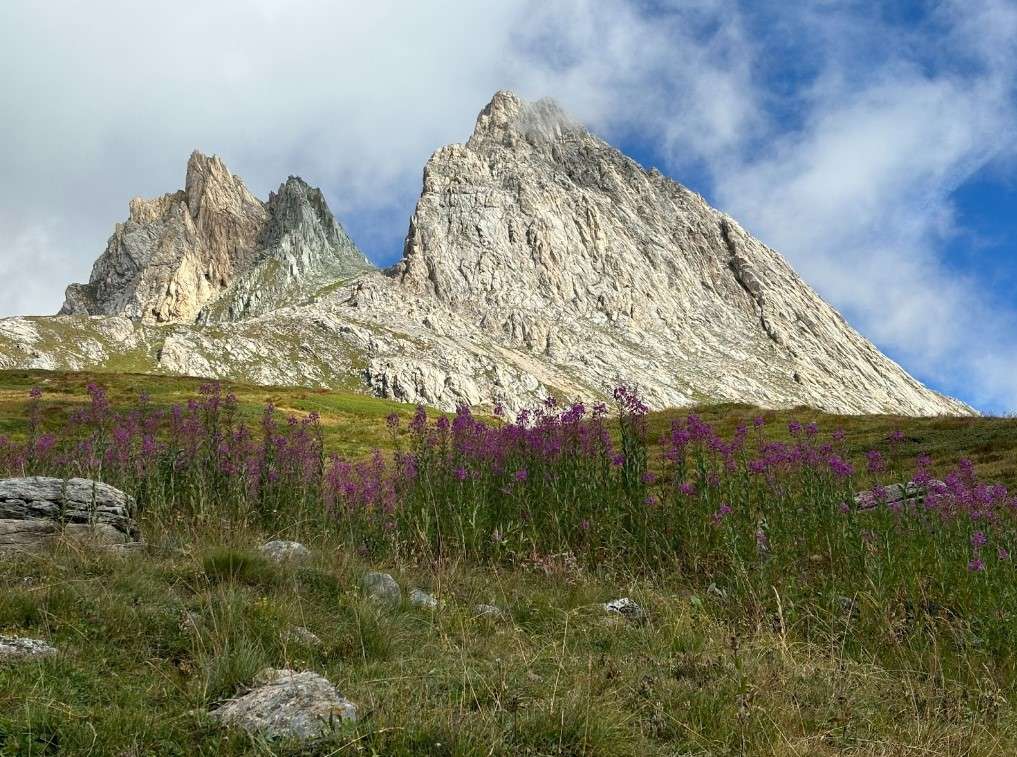
Some basic preparation and a bit of common sense will go a long way in keeping you safe on the trail. Now that you’re armed with this information, you can put your energy towards enjoying the more fun aspects of the TMB, like the stunning scenery and unique cultural experiences!
Get Your FREE Tour du Mont Blanc Essentials Guide
Sign-up to get your FREE TMB Essentials guide below. Find intel on when to hike, basics about the trail, and a printable packing list
Tour du Mont Blanc Gear List
Our comprehensive gear list makes packing for the TMB a breeze! Make sure you have everything you need (and nothing you don’t) so you can be comfortable on and off the trail.
Stages of the TMB
Read a detailed description of each of the traditional 11 stages of the TMB.
Get essential information so you know what to expect each day on the trail.
How Difficult is the TMB?
Learn about the most difficult aspects of the Tour du Mont Blanc and decide if it’s the right hike for you.
